The 1,000 KM Milestone: Is Indonesia Ready for the Longest-Range Electric Car?
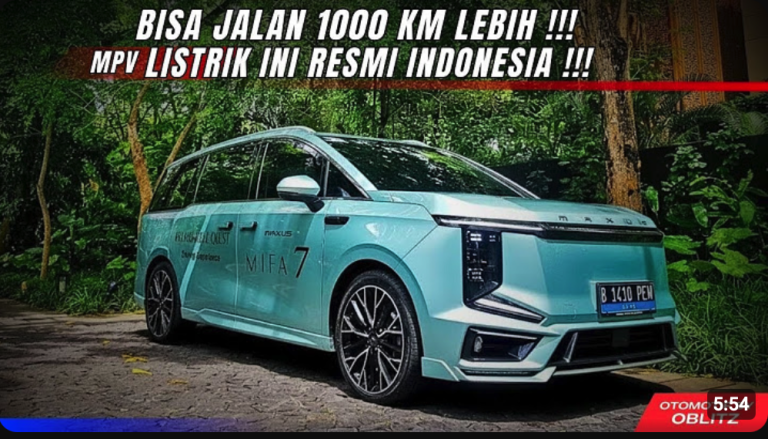
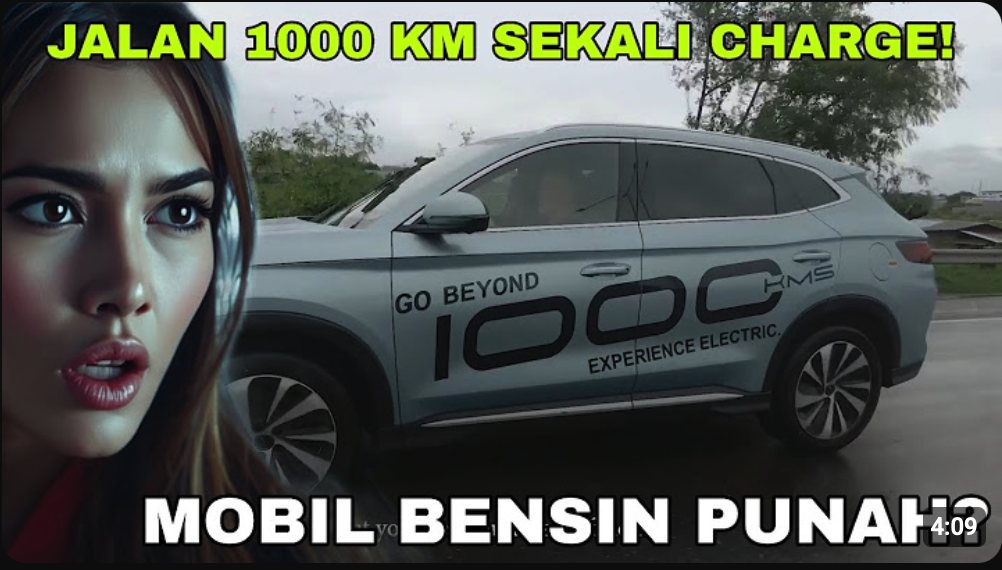
The electric vehicle (EV) industry is on the verge of a massive breakthrough. While current EVs typically offer a range between 350 km and 500 km, rumors are swirling about the arrival of the first 1,000 km range electric car in Indonesia. This milestone would effectively eliminate “range anxiety” once and for all, allowing drivers to travel from Jakarta to Bali on a single charge.
The Secret Behind the 1,000 KM Range In a recent analysis by Ardhi Mobi, the secret to this incredible distance lies in Solid-State and Semi-Solid-State Battery technology [01:11]. Unlike traditional lithium-ion batteries, these new cells are:
- Higher Energy Density: They can store more power without increasing the vehicle’s weight [02:02].
- Enhanced Safety: More stable and less prone to overheating.
- Efficient Aerodynamics: New EV models are being designed with lower drag coefficients, similar to Formula 1 cars, to maximize every kilowatt [02:22].
Is BYD Leading the Race in Indonesia? The strongest rumors point toward BYD as the manufacturer likely to introduce this technology to the Indonesian market. With BYD already building a significant battery ecosystem in the country and seeing rising sales, the timing is perfect [01:42]. Rumored upcoming models are expected to feature ranges between 850 km and 1,000 km [01:19].
Pricing and Market Impact While high-end technology usually comes with a premium price tag, the estimated cost for these long-range EVs could start around Rp800 million for mid-size models and go up to Rp1.3 billion for flagship variants [02:49]. While higher than entry-level EVs, it remains competitive compared to premium Internal Combustion Engine (ICE) sedans, especially when considering the significantly lower operational and maintenance costs of an electric drivetrain [03:01].
The Verdict: A True Game Changer? A 1,000 km EV represents more than just a long battery life; it represents freedom. It means less time spent at charging stations and more time on the road. As Indonesia continues to push for EV adoption with government incentives, this “1,000 KM technology” could be the final push needed for many petrol-car enthusiasts to make the switch.
About the Author