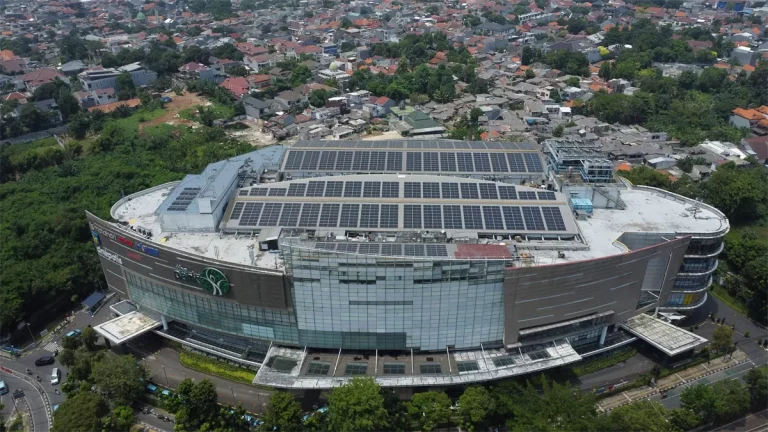
The Indonesian Government, through the Ministry of Energy and Mineral Resources (ESDM), is promoting the use of Solar Power Plants (PLTS) as the primary solution for equalizing electricity access in remote and island regions. With a target for all villages and hamlets to be electrified by 2029, solar power is considered the most effective way to reach 3T areas (Frontier, Outermost, and Least Developed) that face logistical and fuel distribution constraints.
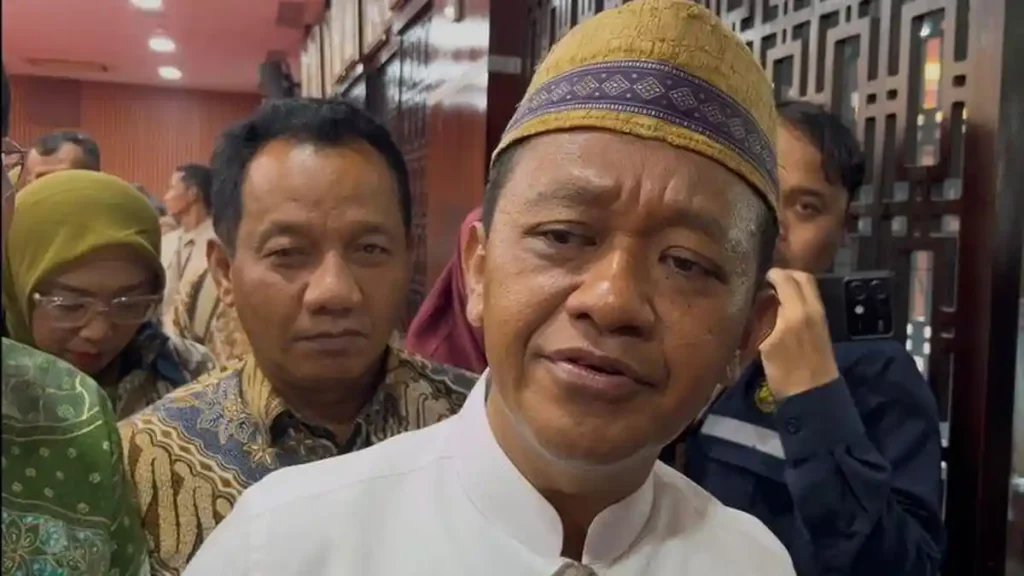
This policy is strengthened by the expansion of the Village Electricity Program (Lisdes) and the New Electricity Connection Assistance (BPBL) to ensure that the benefits of electrification are felt directly by the community. The Minister of Energy and Mineral Resources, Bahlil Lahadalia, stated this in Jakarta on Thursday (Jan 22, 2026).
“I happened to be born on Banda Island, Maluku. Eighty percent of the area is sea. There is no more kerosene, and ships face difficulties. So, I know that suffering very well. That is why we will push the solar power program,” said Bahlil.
He emphasized that the Ministry of ESDM’s budget will be focused on developing solar power in hard-to-reach areas, especially regions frequently hindered by weather conditions and ocean waves.
The push for solar power utilization is also in line with the Ministry of ESDM’s New and Renewable Energy (EBT) mix target for the 2026 fiscal year, which is set at 17–21 percent. In 2025, the renewable energy electricity mix was recorded at 15.75 percent. In addition to solar power, the government is also continuing the Village Electricity Program (Lisdes). In 2026, Lisdes aims to add 22,179 customers across 372 locations throughout Indonesia. In comparison, throughout 2025, the program reached 77,616 customers in 1,516 locations.
The government is also implementing the New Electricity Connection Assistance (BPBL) program. In 2026, the BPBL target was increased to 500,000 households, up from the initial plan of 250,000 customers.
“We have increased the 2026 BPBL target to 500,000 customers based on input from colleagues in Commission XII of the Indonesian House of Representatives (DPR RI). We also ask for your support to ensure this program is well-targeted,” said Bahlil.
This policy is in line with President Prabowo Subianto’s directives, which called for the expansion of the national electricity program’s coverage.
Bahlil confirmed that he will adjust the 2026 budget allocation to focus on equalizing electricity access, especially in 3T areas. Through a combination of the Solar Power Plant (PLTS), Village Electricity (Lisdes), and New Electricity Connection Assistance (BPBL) programs, the government hopes that national electrification will become more equitable and provide a direct impact for communities on remote islands.
About the Author