Authentic Gulai Pisang Recipe: A Rich Indonesian Traditional Curry
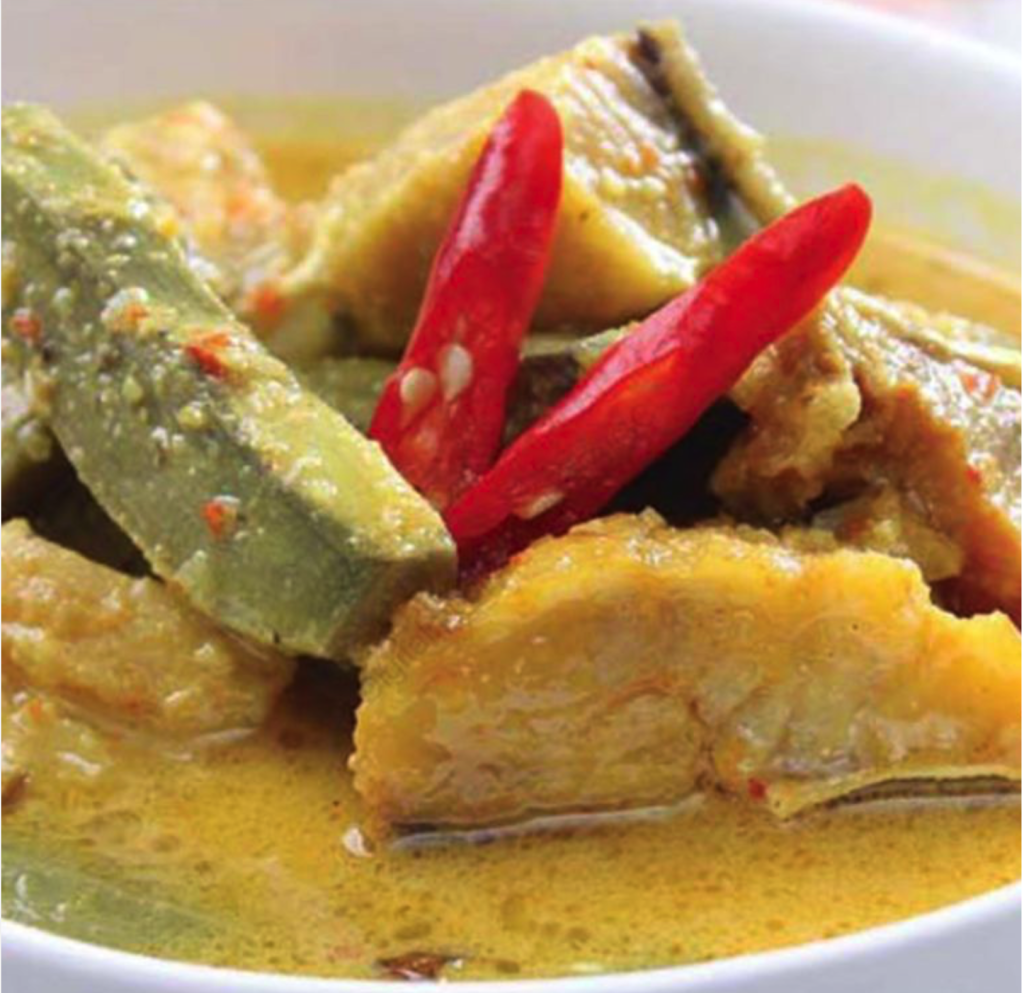
Gulai Pisang is a hidden gem of Indonesian traditional cuisine that remains a favorite among regional food enthusiasts. Characterized by its savory, slightly sweet, and spice-rich profile, this dish offers warmth in every bite. Using young Kepok bananas as the primary ingredient, Gulai Pisang is a symbol of local wisdom and a testament to the incredible diversity of Indonesian flavors.
The History and Origins of Gulai Pisang
Gulai Pisang has deep cultural roots in several regions across Sumatra, particularly in Minangkabau, Jambi, and the Coastal Malay areas. While not as mainstream as Chicken or Lamb Gulai, this dish holds a special place in local hearts and is frequently served during family gatherings, thanksgiving ceremonies (syukuran), or as a comforting daily side dish.
Regional Variations Across Sumatra
The beauty of Gulai Pisang lies in its regional diversity:
- Minangkabau: Known for a thicker sauce, richer spices, and a bold, spicy kick.
- Jambi: Features a lighter consistency with a smoother, slightly sweeter taste.
- North Sumatra: Often enhanced with smoked fish or anchovies for an added savory depth.
Why Use Young Bananas?
In Indonesian culinary culture, the young Kepok banana is prized for its firm texture. Unlike ripe bananas, young ones do not turn mushy when cooked and have an excellent ability to absorb rich coconut milk and complex spices, making them the perfect substitute for meat in a curry.
Gulai Pisang Recipe (Traditional Method)
Ingredients:
- 10 young Kepok bananas (peeled and sliced)
- 500ml thick coconut milk
- 2 lemongrass stalks (bruised)
- 3 kaffir lime leaves
- Spice Paste: Shallots, garlic, turmeric, ginger, galangal, and red chilies.
Cooking Steps:
- Sauté the spice paste with lemongrass and lime leaves until fragrant.
- Add the sliced young bananas and stir well.
- Pour in the coconut milk slowly, stirring constantly to keep the texture smooth.
- Simmer on low heat until the bananas are tender and the sauce thickens.
- Season with salt and a pinch of sugar to balance the spices.
Essential Ingredients and Step-by-Step Guide to Making Gulai Pisang
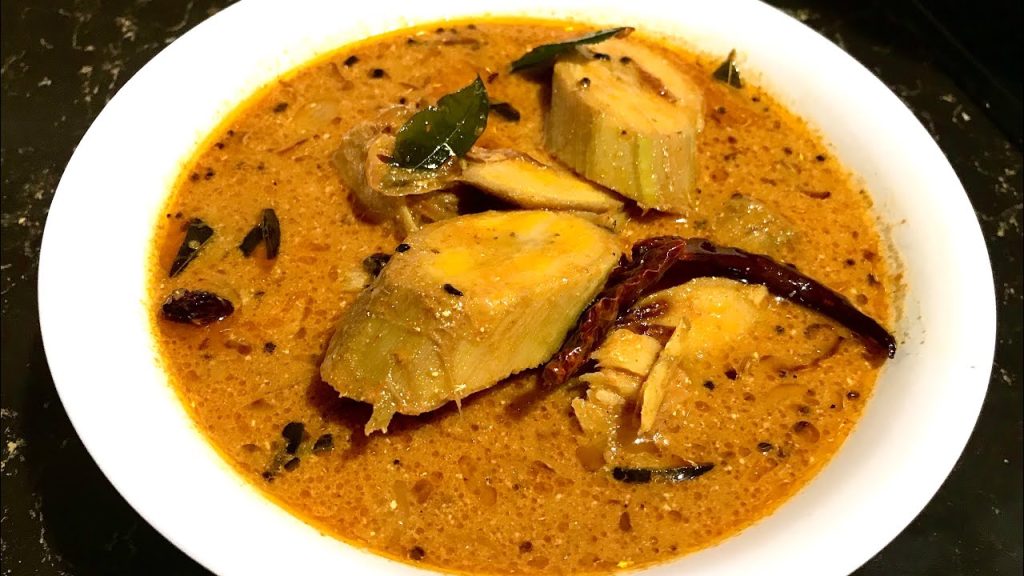
To create a delicious and aromatic Gulai Pisang, using fresh, high-quality ingredients is key. This traditional dish relies on a perfect balance of creamy coconut milk and a robust blend of indigenous Indonesian spices.
Ingredients List
Main Ingredients:
- 10 Young Kepok Bananas (The star of the dish).
- 600ml Thin Coconut Milk (Santan encer).
- 400ml Thick Coconut Milk (Santan kental).
- Anchovies or Salted Fish (Optional, for an extra savory kick).
- Aromatic Herbs: 1 Turmeric leaf, 2 Indonesian bay leaves (Daun salam), 2 Lemongrass stalks (bruised), and 3cm Galangal (bruised).
- Seasoning: Salt, sugar, and mushroom bouillon/flavor enhancer to taste.
- Cooking oil for sautéing.
The Spice Paste (Ground Spices):
- 7 Shallots & 4 cloves of Garlic.
- 3 Large red chilies & 5 Bird’s eye chilies (adjust for heat).
- 3cm Fresh turmeric & 2cm Ginger.
- 1 tsp Toasted coriander & 3 Toasted candlenuts.
Step-by-Step Cooking Instructions
Follow these steps to ensure a perfect texture and a rich, stabilized coconut curry sauce:
1. Prepare the Young Bananas
Choose bananas that are strictly unripe. Peel the skin and cut them according to your preference (typically sliced lengthwise or in rounds). Pro Tip: Immediately soak them in salt water to prevent oxidation (browning) and to remove the sticky sap.
2. Sauté the Aromatics
Heat oil in a heavy-bottomed pot. Sauté the ground spice paste along with the bay leaves, turmeric leaf, galangal, and lemongrass. Fry until the oil separates from the spices and the aroma is fragrant. This ensures the “raw” taste of the spices is completely gone.
3. Simmer and Stabilize
Pour in the thin coconut milk first and bring to a gentle simmer. Add the bananas and optional dried fish. Once the bananas are half-cooked, pour in the thick coconut milk. Stir constantly over medium-low heat to prevent the coconut milk from curdling (pecah santan). Season and serve once the sauce has thickened.
4. Incorporate Bananas and Savory Elements Once the broth begins to simmer, add the prepared young Kepok bananas. If you are using anchovies or salted fish for that extra umami kick, add them now. Allow the bananas to cook until they begin to soften.
5. Thicken with Rich Coconut Cream Pour in the thick coconut milk (santan kental) and reduce the heat to low. Simmer slowly until the sauce reaches a rich, creamy consistency and the bananas are perfectly tender. Continue stirring occasionally to prevent curdling.
6. Final Seasoning and Serving Adjust the flavor by adding salt, sugar, or extra chili to suit your palate. Once the aroma is fully developed and the bananas are soft, serve your Gulai Pisang immediately with a side of warm steamed rice.
Regional Variations of Gulai Pisang in Indonesia
Indonesian culinary heritage is diverse, and Gulai Pisang reflects the unique character of each region:
- Minangkabau (West Sumatra): Features a complex spice profile, a bold spicy kick, and a very thick, rich gravy.
- Jambi: Offers a lighter consistency with a sweeter, more delicate flavor—perfect for those who prefer mild dishes.
- Batak (North Sumatra): Frequently incorporates smoked fish or fresh basil (kemangi) to create a distinct, smoky, and herbaceous aroma.
Expert Tips for a Perfect Gulai Pisang
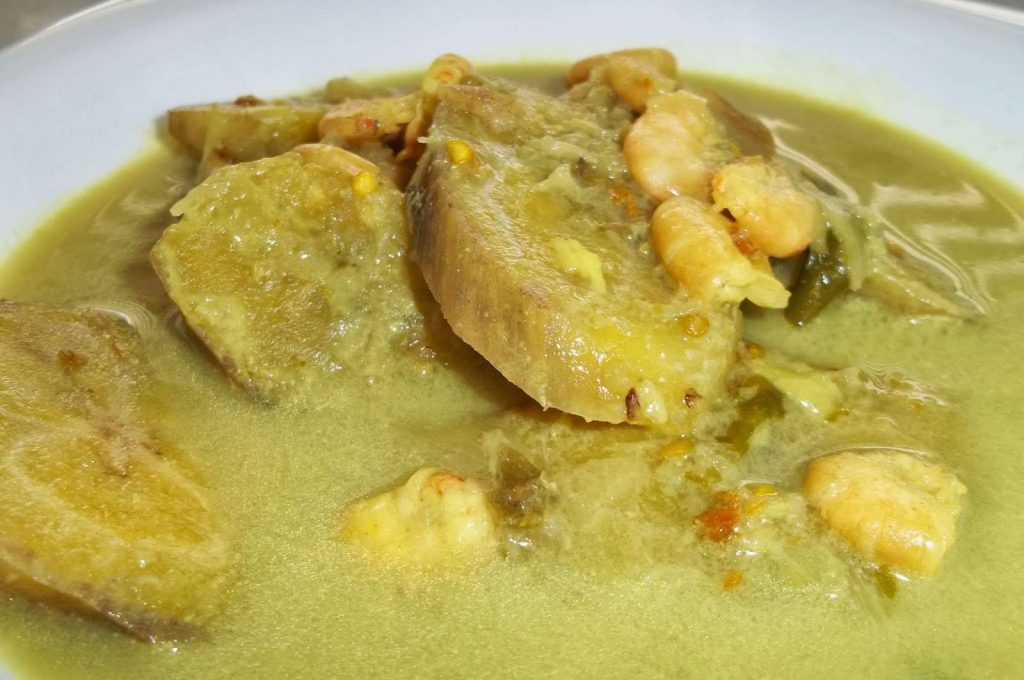
To ensure your Gulai Pisang achieves an authentic taste and perfect texture, keep these essential tips in mind:
- Select Strictly Young Bananas: Always use unripe Kepok bananas. Ripe bananas will turn mushy too quickly and ruin the structural integrity of the curry.
- Prevent Coconut Milk Curdling: The secret to a silky sauce is stirring. Use low heat and stir gently but consistently once the coconut milk is added.
- Incorporate Salted Fish for Umami: Adding anchovies or salted fish provides a natural savory depth that balances the creaminess of the coconut milk.
- Use Fresh Turmeric Leaves: For that signature Sumatran aroma, fresh turmeric leaves are non-negotiable. They provide an earthy fragrance that defines an authentic Gulai.
Nutritional Benefits of Banana Curry
Beyond its rich flavor, Gulai Pisang offers various health benefits derived from its natural ingredients:
1. Benefits of Young Bananas
- High in Fiber: Excellent for maintaining digestive health.
- Rich in Potassium: Essential for heart health and maintaining healthy blood pressure levels.
2. Power of Traditional Spices
The blend of turmeric, ginger, coriander, and galangal acts as a natural anti-inflammatory and boosts the immune system.
3. Healthy Fats from Coconut Milk
When consumed in moderation, the medium-chain triglycerides (MCTs) in coconut milk provide a quick energy source and aid in the absorption of fat-soluble vitamins.
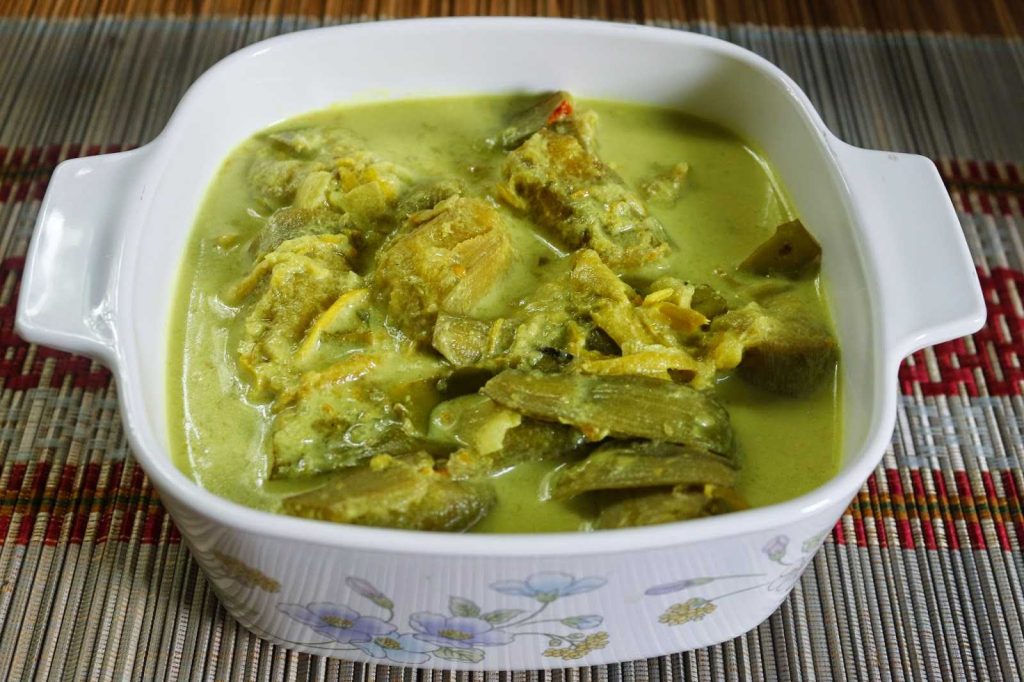
Gulai Pisang: A Timeless Legacy of Indonesian Culinary Heritage
Gulai Pisang is a profound representation of the simplicity and richness found in Indonesian cuisine. It proves that you don’t need expensive ingredients to create an unforgettable gastronomic experience. By utilizing local resources like young bananas and indigenous spices, this dish brings a piece of Indonesian history to your dining table.
As a traditional masterpiece, Gulai Pisang is a heritage worth preserving. With its unique flavor profile, accessible ingredients, and straightforward cooking process, it stands as a proud symbol of Indonesia’s culinary ingenuity. Whether served at a formal gathering or a simple family dinner, it remains a comforting reminder of the archipelago’s diverse flavors.
About the Author