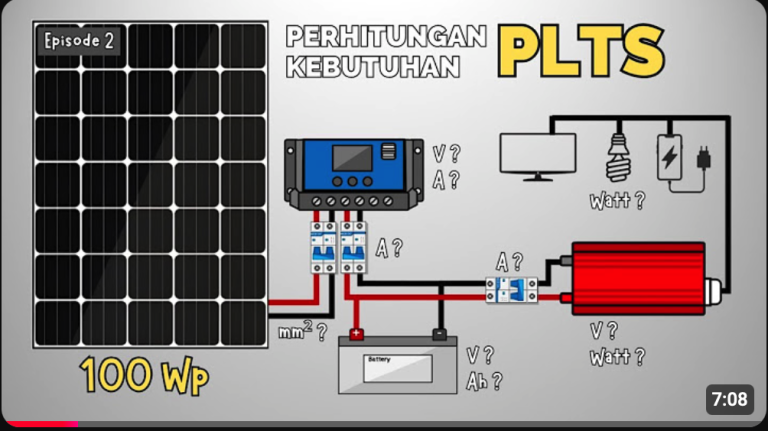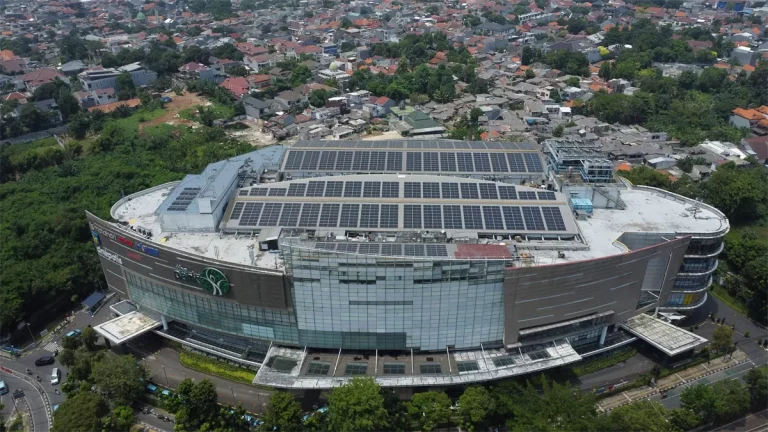
President Prabowo Subianto stated that Indonesia will build 100 GW of Solar Power Plants (PLTS) complemented by battery storage systems. The government projects the installation of 1 MW of solar power and 4 MW of battery storage across 80,000 villages in Indonesia. This initiative is intended to be an integrated part of the Koperasi Desa Merah Putih (Red and White Village Cooperative), which was launched in July 2025.
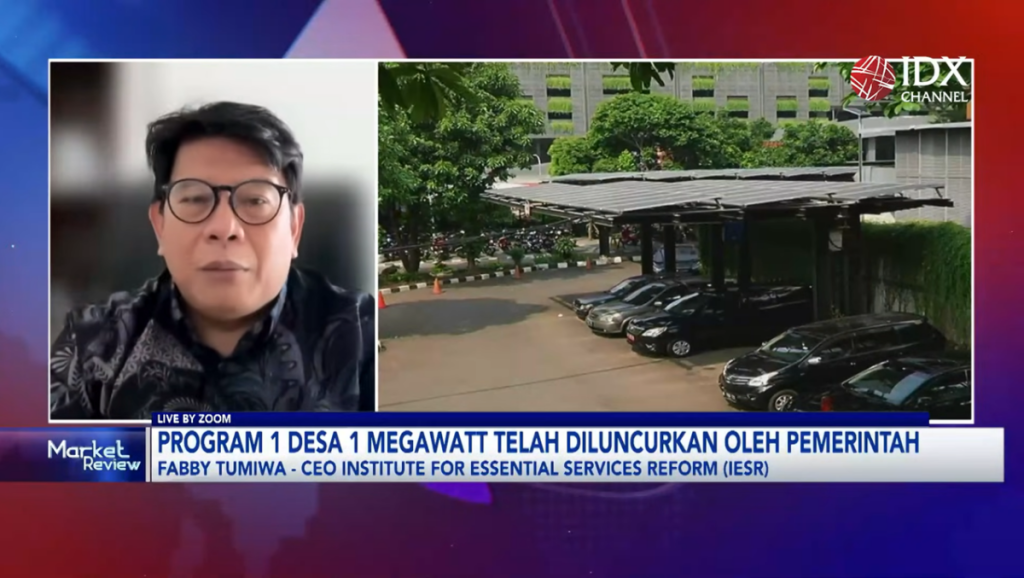
Fabby Tumiwa, CEO of the Institute for Essential Services Reform (IESR), in an interview with IDX Market Review titled “Solar Power: The Solution to Realize the 1 Village 1 Megawatt Program,” views this as a government effort to improve the quality of energy access in Indonesia. Villages in the 3T areas (Frontier, Outermost, and Least Developed) typically rely on diesel generators to meet their energy needs. Operating diesel power plants poses several challenges, one of which is the high operational cost, reaching IDR 6,000 – 10,000 per kWh. This cost surge is primarily driven by high fuel transportation costs to remote areas. Additionally, weather constraints such as storms can hinder fuel distribution. PLN’s current diesel power plants, totaling around 3 GW, could serve as a quick entry point for this 1 village 1 megawatt solar program.
However, Fabby emphasized the importance of comprehensive mapping before commencing solar plant construction in villages. According to him, two factors must be ensured before selecting a site: first, the certainty of local economic activity so that the electricity generated supports residents’ livelihoods.
“These economic activities must be designed and implemented first as part of the demand creation process for electricity, considering that rural electricity needs tend to be low at present,” Fabby said.
Second, the limited human resources in rural locations must be addressed. Local residents should receive training and mentoring to become operators and maintenance officers for the solar systems. Collaboration with Engineering, Procurement, and Construction (EPC) companies could be a short-term strategy while building local capacity through training and guidance.
About the Author